
How a Personalised Diary Can Add Value to Your Business
In a world where businesses rely heavily on digital communication, a simple printed diary can still have a practical place in everyday work.
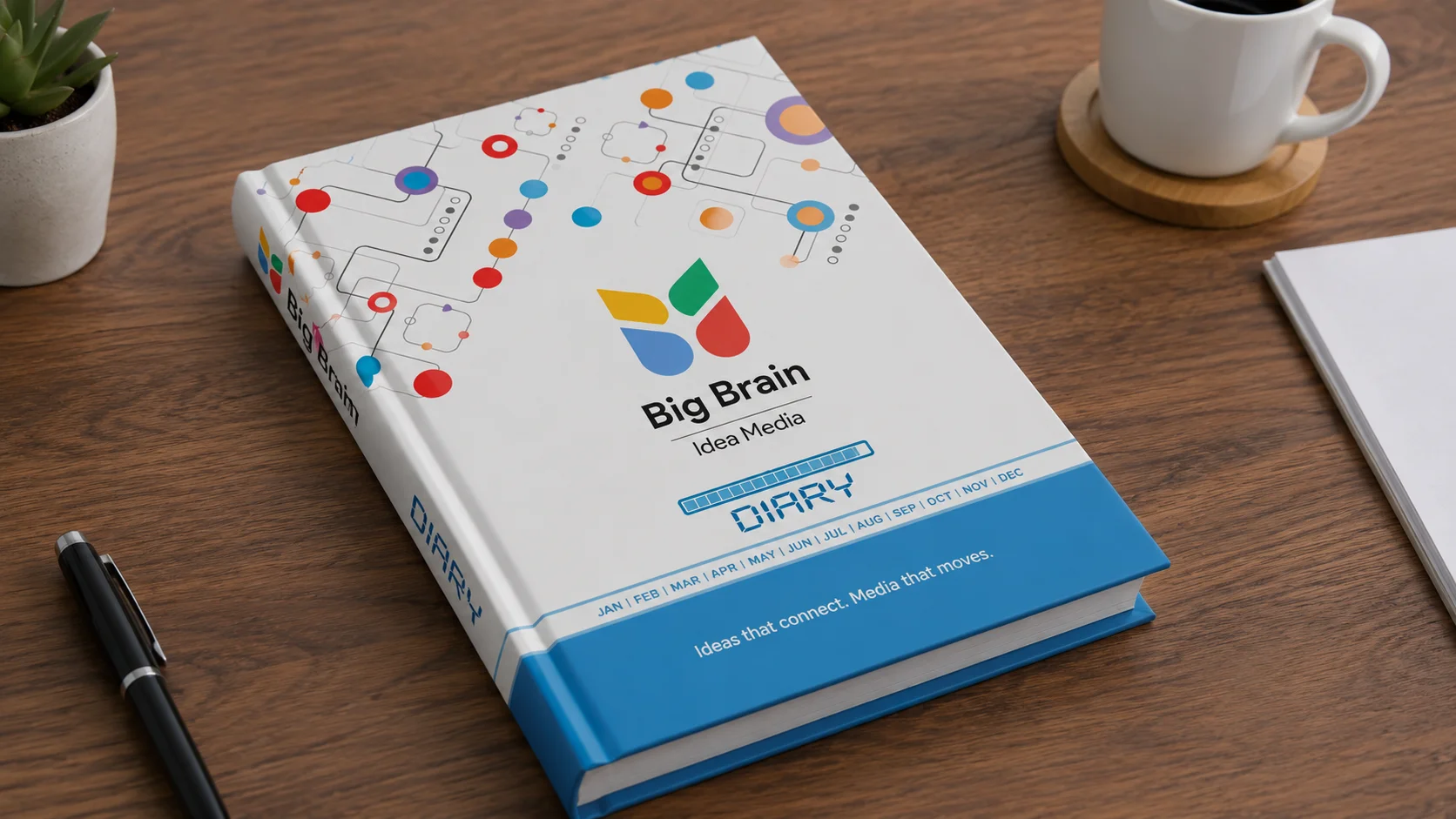
A well-designed diary does more than provide blank pages for writing. It can represent a company’s identity through its cover design, logo, colours, and overall appearance. Therefore, choosing the right diary for business use requires more attention than simply selecting a notebook from a catalogue.
For companies planning to order customised diaries, factors such as paper quality, cover material, size, binding, printing, and usability all matter. Moreover, the right design should suit the people who will actually use the diary.
Why Do Businesses Still Use Printed Diaries?
Digital calendars and productivity applications have become common in modern workplaces. Nevertheless, many professionals still prefer writing down important information by hand. A physical diary provides a convenient space for making quick notes without opening an application or switching between devices.
For example, an employee can write down a meeting time, add a reminder, record a phone number, or make a quick task list within seconds. In addition, handwritten notes can make it easier to organise thoughts during meetings and discussions.
From a business perspective, printed diaries also offer another advantage. They remain visible on desks, in offices, and during meetings. As a result, a company logo printed on the diary can receive regular exposure without requiring another advertising format.
A Diary Can Strengthen Brand Visibility
Branding is not limited to websites, social media pages, and advertisements. In fact, everyday business products can also contribute to brand recognition. A diary carrying a company logo, brand colours, contact details, or a short message can become a subtle branding tool.
When employees use branded diaries at work, the company identity becomes part of their everyday environment. Similarly, when a diary is given to a customer or business partner, it can create a physical connection with the brand.
However, branding should not overpower usability. A crowded cover filled with too many colours, messages, and design elements may make the diary look less professional. Instead, a clean layout with suitable branding usually creates a more balanced appearance.
Choosing the Right Cover Material
The cover is one of the first things people notice when they receive a diary. Therefore, businesses should consider both appearance and durability before selecting a material.
Different cover finishes can create different impressions. For instance, a leather-look finish may provide a professional appearance, while fabric or textured materials can offer a softer and more distinctive feel. Hardbound covers are another practical choice for businesses that want a stronger outer structure.
Businesses can also add their logo through suitable printing or branding techniques. Depending on the chosen cover, options may include screen printing, foil-style branding, embossing, or other custom printing methods.
Paper Quality Makes a Difference
The inside pages are just as important as the cover. After all, the primary purpose of a diary is writing and planning.
Paper that feels comfortable when writing can improve the overall user experience. Depending on the intended use, businesses can choose from different paper thicknesses and finishes. Common choices include 70 GSM, 80 GSM, 90 GSM, and 100 GSM paper.
For general office use, medium-weight paper may provide a good balance between writing comfort and cost. On the other hand, businesses looking for a stronger feel may consider thicker paper.
The type of pen used also matters. Some people prefer ballpoint pens, while others use gel pens or ink pens. Therefore, paper selection should take everyday writing habits into account rather than focusing only on appearance.
Select a Size That Matches the Purpose
Diary size can affect how convenient it is to use and carry. A compact diary may be suitable for professionals who travel frequently, whereas a larger format can provide more writing space.
A5 diaries, for example, are popular because they offer a practical balance between portability and writing area. Smaller formats can fit easily into bags and drawers, while larger diaries may be better suited to detailed planning.
Before placing a bulk order, businesses should think about where and how the diaries will be used. If employees need to carry them every day, portability should be prioritised. Alternatively, if the diary will mainly remain on an office desk, additional writing space may be more useful.
Customisation Helps Create a Stronger Identity
One of the biggest advantages of customised diaries is the ability to adapt the product to a specific business.
A company can add its logo, name, colours, contact information, website, or other relevant branding elements. Furthermore, the internal pages can also be designed according to the intended purpose.
For example, a business may include:
- Monthly planning pages
- Weekly schedules
- Contact pages
- Notes sections
- Important dates
- To-do lists
- Business information
- Calendar pages
This flexibility allows companies to create a diary that is more relevant to their users. Instead of choosing a standard product, businesses can build a design around their actual requirements.
Personalisation Can Make Business Gifts More Meaningful
Business gifts are often given during festivals, annual events, company celebrations, meetings, and customer appreciation campaigns. While many promotional products are available, a useful diary can offer long-term value.
A customer may use a diary throughout the year rather than keeping it unused in a drawer. Consequently, the business name and branding may remain visible for a longer period.
Moreover, adding the recipient’s name, company details, or a thoughtful message can make the gift feel more personal. This approach can be especially useful when businesses want to build stronger relationships with clients or partners.
The goal should not simply be to print a logo on a product. Instead, the focus should be on creating something that the recipient will genuinely find useful.
Binding Is Another Important Consideration
A diary may be opened and closed hundreds of times during its lifetime. Therefore, binding quality should not be overlooked.
Different binding methods can provide different levels of flexibility and durability. Section-sewn binding, perfect binding, case binding, spiral binding, and Wire-O binding are some options businesses may consider.
For example, spiral and Wire-O formats allow pages to open widely and can be convenient for regular writing. Meanwhile, case binding can provide a more structured and traditional appearance.
The right choice depends on the diary design, expected usage, budget, and desired appearance. Discussing these requirements with the printing company before production can help avoid unnecessary problems later.
Think About the Inside Layout
A good diary is not only about its cover. The internal layout can have a major effect on how useful the product becomes.
Some users prefer large daily writing areas, while others need more space for monthly planning. Likewise, business professionals may appreciate additional pages for notes, contacts, project planning, or important information.
For this reason, businesses should identify their audience before finalising the layout. A diary designed for employees may have a different structure from one intended as a customer gift.
A simple and organised layout is generally easier to use. At the same time, unnecessary decorative elements should be limited so that the pages remain practical.
How Custom Diaries Support Marketing
Traditional marketing often focuses on advertisements that customers see for a short period. A printed diary works differently because it can remain with the user for months.
Every time the diary is opened, the branding may be seen again. In addition, it can travel between offices, meetings, homes, and other locations. This creates repeated opportunities for brand visibility.
However, the effectiveness of this approach depends on the quality of the product. If the diary is difficult to use or feels poorly made, the branding may not create the desired impression.
Therefore, businesses should treat the diary as both a practical product and a representation of their brand.
What Should Businesses Check Before Ordering?
Before placing a bulk order, it is useful to prepare a simple checklist. Doing so can reduce mistakes and make the production process easier.
First, decide the required quantity. Next, select the preferred diary size, cover material, paper thickness, binding method, and internal layout. After that, finalise the branding requirements.
Businesses should also confirm the following:
- Logo quality and placement
- Cover design
- Page layout
- Paper GSM
- Binding method
- Printing colours
- Required quantity
- Packaging requirements
- Delivery timeline
- Final production cost
Additionally, requesting a sample or reviewing a digital proof before bulk production can help identify design issues early.
Why Quality Matters in a Business Diary
A diary carrying a company name represents more than the product itself. It can influence how people perceive the business.
For instance, a well-finished cover, clean printing, strong binding, and comfortable paper can create a professional impression. On the contrary, poor printing or weak construction may negatively affect the way the brand is perceived.
That is why quality should be considered from the beginning of the design process. Choosing suitable materials and working with an experienced printing provider can make a noticeable difference.
Personalised Diaries for Different Business Needs
Different businesses may have different reasons for ordering diaries. A corporate office may require diaries for employees, while a small business may want them as customer gifts.
Similarly, educational institutions, financial companies, manufacturing businesses, agencies, and service providers can use customised diaries for internal and promotional purposes.
The design can also change depending on the audience. An executive-style diary may focus on a professional appearance, whereas a promotional diary may give more attention to brand visibility and affordability.
Therefore, there is no single design that works for every organisation. The best choice is one that matches the business purpose and the expectations of its users.
Making the Right Choice
Choosing a diary for your business does not have to be complicated. Start by identifying who will use it and what they need from it. Then, consider the size, paper, cover, binding, layout, and branding requirements.
Once these details are clear, it becomes easier to compare printing options and select a suitable design. Furthermore, businesses ordering in larger quantities should discuss their requirements with the printer before confirming production.
A good diary should look professional, feel comfortable to use, and remain durable throughout regular use. When these elements come together, the product can provide value to both the user and the business.
Final Thoughts
A personalised diary can be a practical addition to a business branding and gifting strategy. It combines everyday usefulness with an opportunity to keep a company name visible throughout the year.
More importantly, the value of a diary comes from how well it is designed for its audience. The right cover, quality paper, reliable binding, useful layout, and thoughtful branding can turn an ordinary notebook into a product people actually want to use.
For businesses considering custom diary printing, it is worth looking beyond the appearance of the cover. Instead, think about the complete user experience, from the first time someone receives the diary to the final page they write in.
With careful planning and the right printing choices, a well-made business diary can support brand visibility while providing genuine everyday value to employees, customers, and business partners.


